




UpGuard Alternatives: Compare Platforms for Vendor and Third-Party Risk
UpGuard is widely used for monitoring third-party vendors through automated scans and security ratings. It gives security teams external visibility into vendor posture, and it also lists vendor risk assessments and questionnaire automation.
UpGuard tracks remediation, waivers, and exceptions with owners and due dates, and it consolidates vendor communications in one platform. UpGuard’s blog says its attack surface scanning supports risk registers of cyber threats. A register for manually logged risks about your own organization is not stated in its help center as of September 2026.
UpGuard describes itself as a cyber risk posture management platform that pairs security ratings and monitoring with vendor risk workflows.
Why Teams Look for UpGuard Alternatives
Teams look for an alternative to UpGuard after running into one or more common limitations.
| Common Limitation | Why It’s a Problem | What to Look for Instead |
| Assessments center on third parties | UpGuard’s help center documents security ratings for your subsidiaries. Questionnaire-based assessments of internal units are not stated there as of September 2026 | Structured assessments of internal units and vendors |
| Asset discovery covers internet-facing assets | UpGuard’s User Risk product inventories the AI tools and SaaS apps used across your organization. An inventory of internal servers and devices is not stated on its product pages as of September 2026 | Inventories of internal systems, assets, and vendors |
| GRC work connects through integrations | UpGuard’s blog says its attack surface scanning supports risk registers of cyber threats. A register for manually logged risks about your own organization is not stated in its help center as of September 2026 | Unified platform for internal and third-party risk |
What to Look for in an UpGuard Alternative
When evaluating an UpGuard alternative, the factors an organization can consider depend on its use case. Still, here’s what an alternative should cover:
- Support for customizable vendor questionnaires (e.g., SIG, HECVAT, CAIQ)
- Centralized vendor inventories and risk registers
- Exception tracking and remediation workflows tied to real vendors
- Tools for both internal and external assessments
- A platform that turns risk signals into actionable next steps
Make sure to ask potential vendors about each of these capabilities, before you sign a contract.
Top UpGuard Alternatives
UpGuard vs. Isora GRC
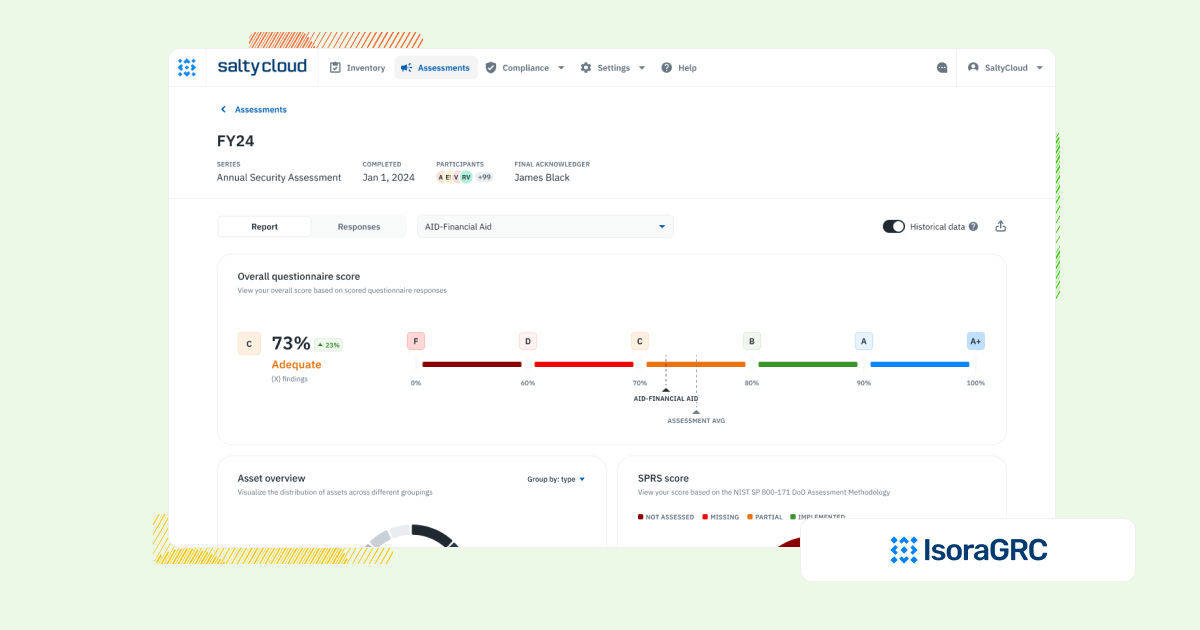
Isora GRC is the GRC Assessment Platform™ built specifically for information security teams. It supports the full risk workflow, from assessments and questionnaires to risks, inventory, and reporting.
Best for: Security teams that need to operationalize IT and third-party risk management across assets, third-party vendors, and business units.
| Isora GRC | |
| Strengths | Built for workflows, not checklists
✅ Supports assessments, inventory tracking, risk registers, and exceptions in a unified experience. Designed for org-wide adoption ✅ WCAG-compliant UX built for respondents outside security, which makes risk everyone’s job. Fast time-to-value ✅ Live in days or weeks, with no-code setup and minimal lift from IT. Flexible by default ✅ Customizable assessments, scalable categories, and framework-aligned questionnaires without heavy configuration. Scales across teams and vendors ✅ Assesses internal teams and third-party vendors from one place. |
| Limitations | ⚠️ Not designed for legal, audit, or finance teams seeking one platform for enterprise-wide GRC
⚠️ May be too structured for teams looking to build one-off surveys or lightweight audits without repeatable workflows |
UpGuard vs. Whistic
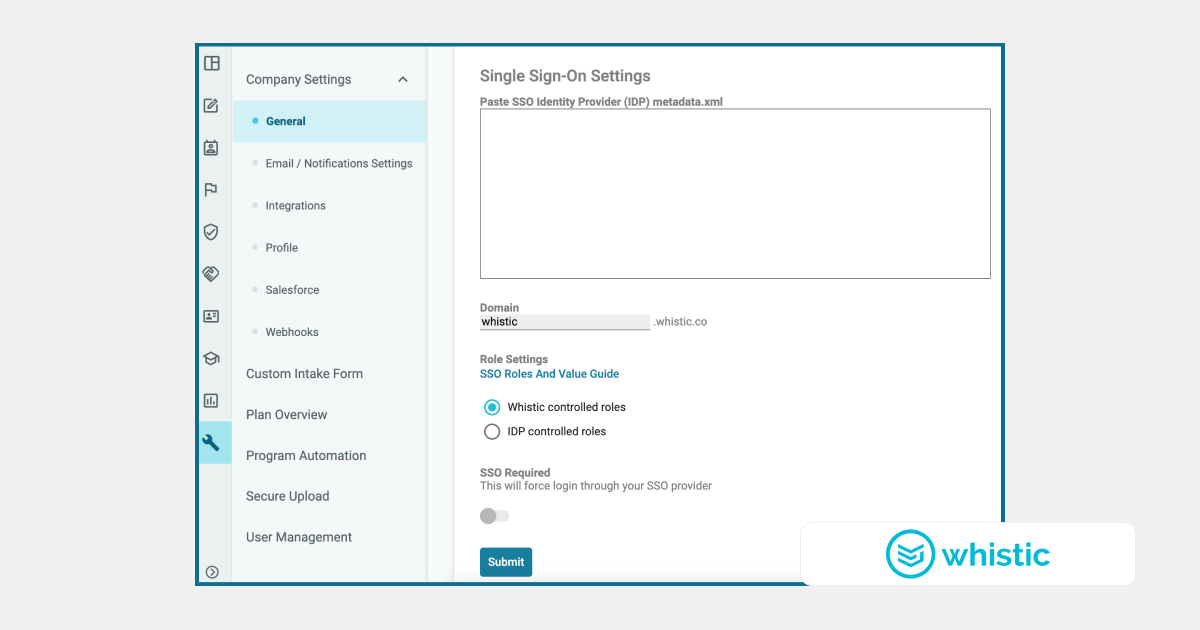
Whistic helps organizations collect and review vendor security documentation using standardized or custom questionnaires. It also lists vendor monitoring, issue tracking, and internal control testing on the same platform.
Best for: Security teams focused on evidence-based vendor reviews, with internal control testing on the same platform.
| Whistic | |
| Strengths | ✅ Streamlined vendor reviews with standard questionnaires (e.g., CAIQ, ISO)
✅ Trust Center Exchange for faster third-party evaluations |
| Limitations | ⚠️ Whistic’s blog says its platform keeps vendor profiles and inventory in a centralized system of record. A dedicated exception register is not stated on Whistic’s published surfaces as of September 2026 |
| Other Comparisons | UpGuard vs Whistic vs Isora GRC |
UpGuard vs. SecurityScorecard
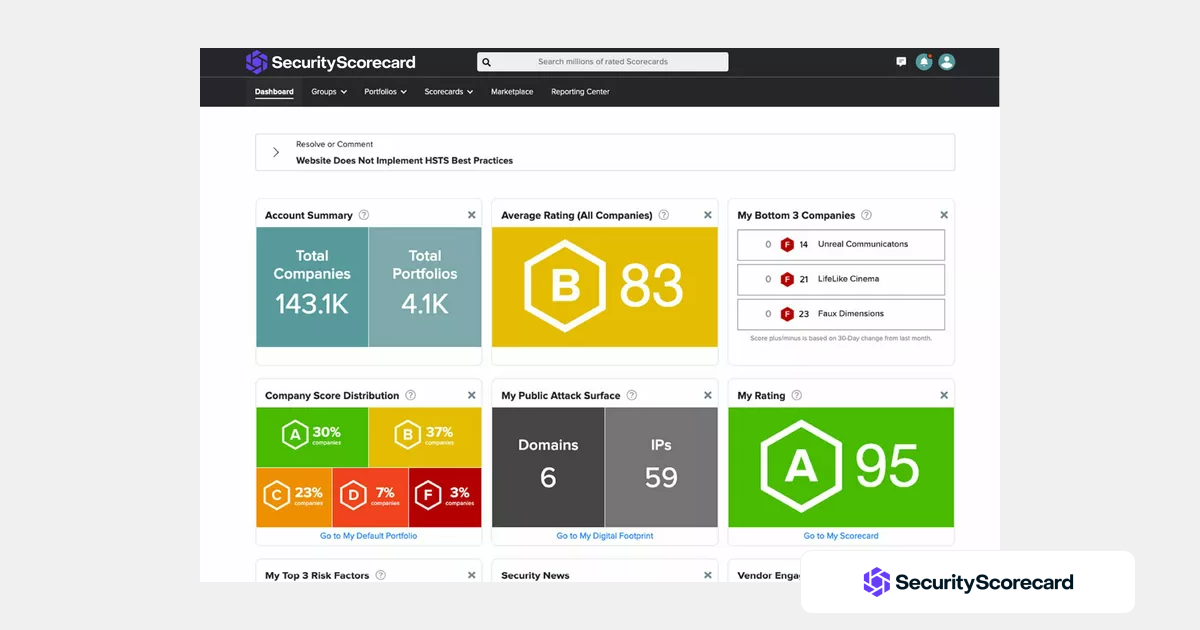
SecurityScorecard continuously monitors vendor security posture using external signals. It helps prioritize vendors based on scores and lists templated questionnaires, a vendor system of record, and Action Plans that track progress.
Best for: Security teams that need a quick snapshot of external vendor posture based on public data.
| SecurityScorecard | |
| Strengths | ✅ Real-time scoring of vendor cyber risk
✅ Covers a wide range of external security data points |
| Limitations | ⚠️ SecurityScorecard’s help center documents sending questionnaires to internal teams. An exception workflow for your own program is not stated there as of September 2026 |
| Other Comparisons | Bitsight vs SecurityScorecard vs Isora GRC
RiskRecon vs SecurityScorecard vs Isora GRC |
UpGuard vs. Bitsight
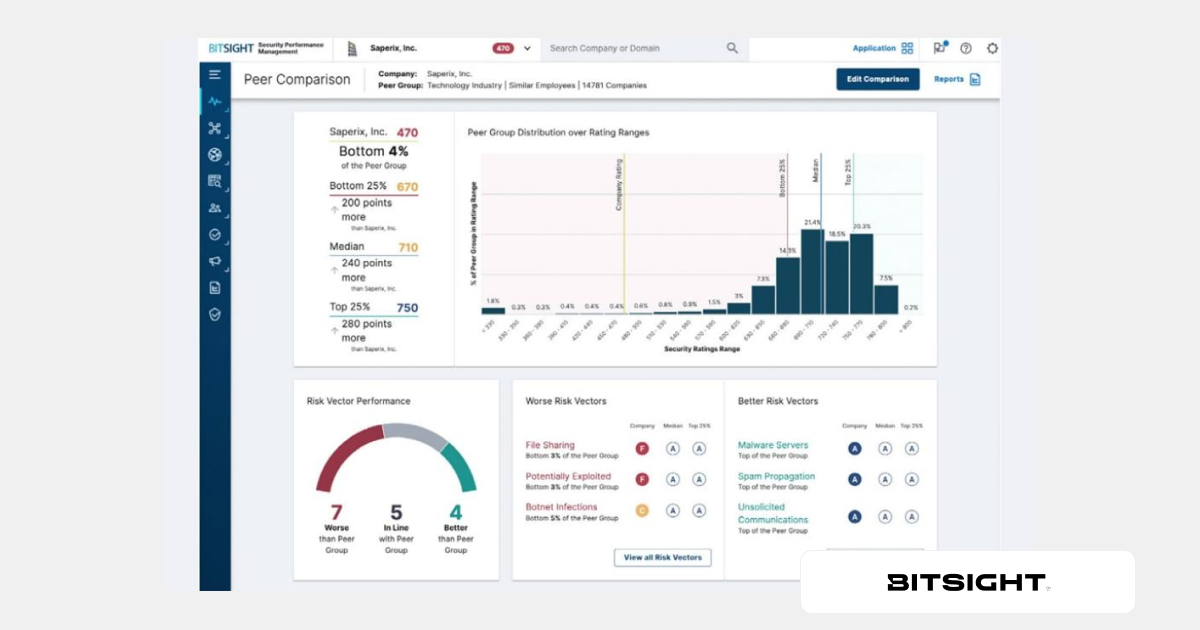
Bitsight provides cyber risk ratings based on external data and threat intel. It’s good for vendor comparison and also lists vendor assessments, a third-party inventory, and remediation tracking.
Best for: Teams that want high-level visibility into third-party cyber posture using automated scoring.
| Bitsight | |
| Strengths | ✅ Easy-to-read vendor scores for quick evaluations
✅ Broad monitoring coverage across industries |
| Limitations | ⚠️ Bitsight’s help center documents a Risk Accepted status for findings, with assignees and a status history. An internal risk register is not stated on Bitsight’s site or help center as of September 2026 |
| Other Comparisons | Bitsight vs UpGuard vs Isora GRC
Bitsight vs SecurityScorecard vs Isora GRC |
UpGuard vs. Panorays
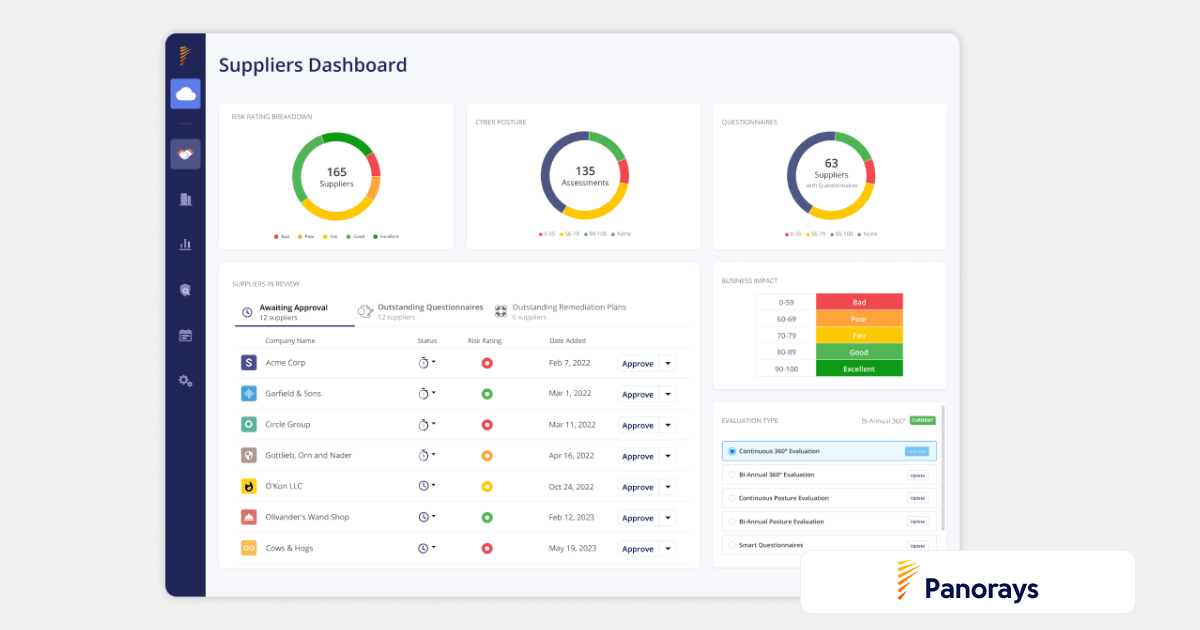
Panorays combines third-party security ratings with automated questionnaire tools. It also generates remediation tasks with priorities and deadlines and tracks progress in one view.
Best for: Organizations that want to combine external ratings with customizable vendor questionnaires.
| Panorays | |
| Strengths | ✅ Includes both external scores and vendor questionnaires
✅ Useful for streamlining vendor onboarding |
| Limitations | ⚠️ Exception workflows and an internal asset inventory are not stated on Panorays’ published surfaces as of September 2026 |
| Other Comparisons | Bitsight vs Panorays vs Isora GRC |
UpGuard vs. RiskRecon
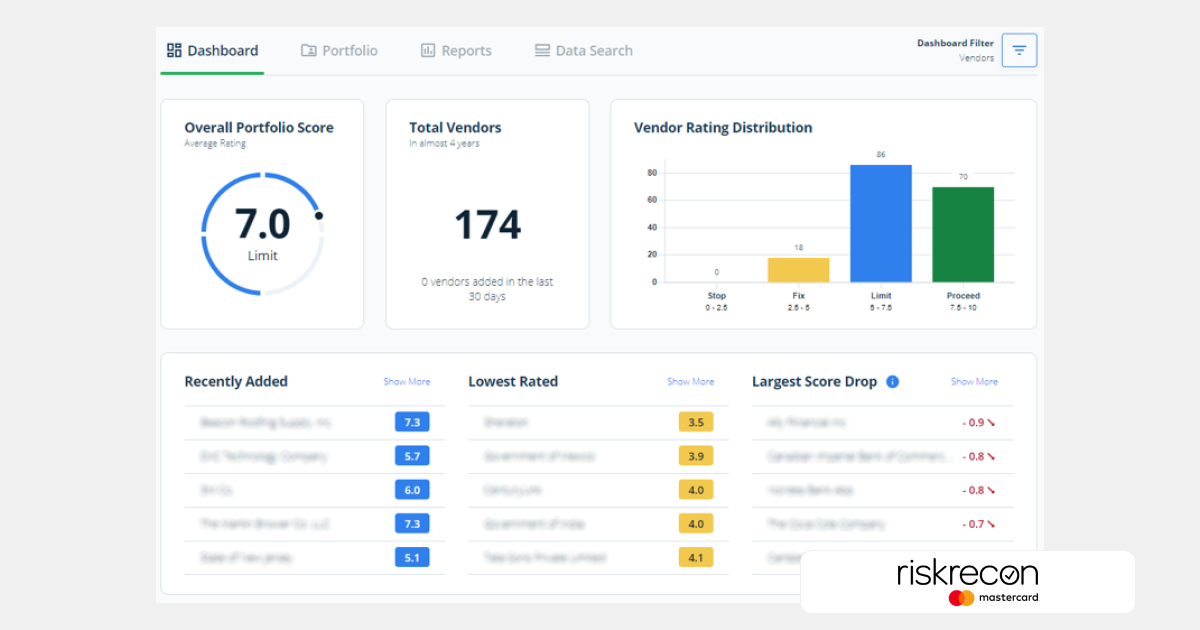
RiskRecon provides third-party cyber risk scores based on publicly available data. It also sells questionnaire-based RiskRecon Assessments and automatically produces vendor risk action plans.
Best for: Security teams that need fast, external insight into vendor posture.
| RiskRecon | |
| Strengths | ✅ Continuous monitoring with easy-to-understand vendor scores
✅ Prioritizes vendors based on exposure |
| Limitations | ⚠️ Internal questionnaires, exceptions, and risk registers are not stated on RiskRecon’s published surfaces as of September 2026 |
| Other Comparisons | RiskRecon vs SecurityScorecard vs Isora GRC |
UpGuard vs. Black Kite
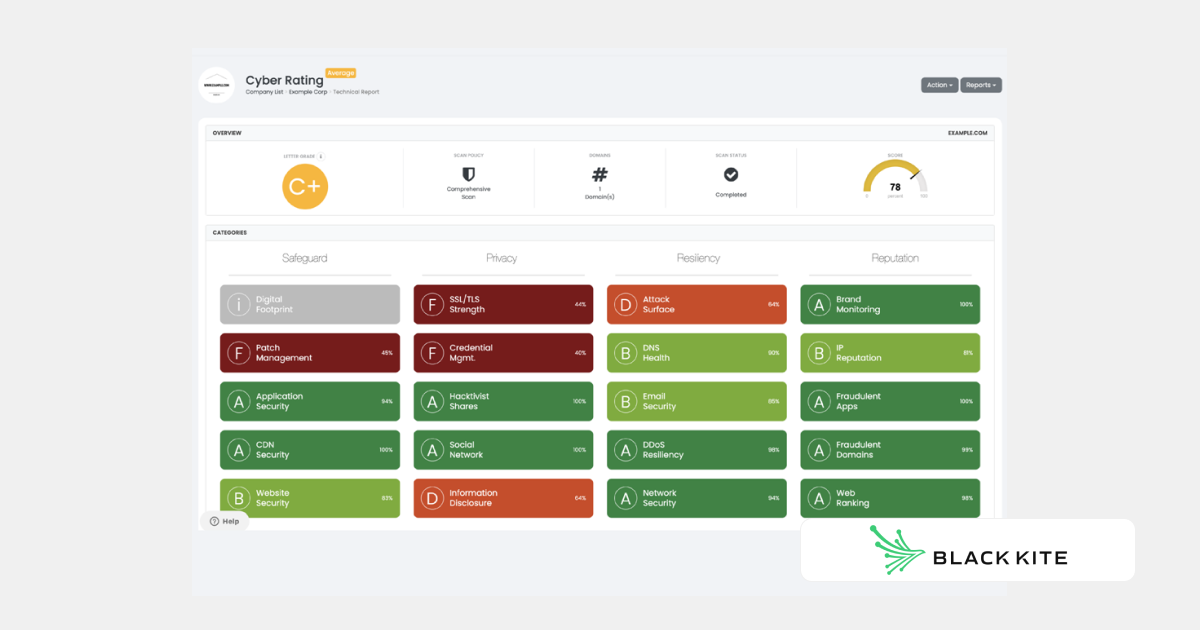
Black Kite translates external risk data into business terms, like estimated financial exposure. It also lists AI-assisted vendor assessments, and vendors respond to gaps and track progress through The Bridge.
Best for: Teams looking for external vendor risk scores tied to business impact language (e.g., financial or regulatory exposure).
| Black Kite | |
| Strengths | ✅ Scores mapped to business risk and compliance exposure
✅ Continuous risk monitoring and threat intelligence |
| Limitations | ⚠️ Internal risk workflows and exception handling are not stated on Black Kite’s published surfaces as of September 2026 |
| Other Comparisons | Black Kite vs Bitsight vs Isora GRC |
UpGuard vs. Prevalent
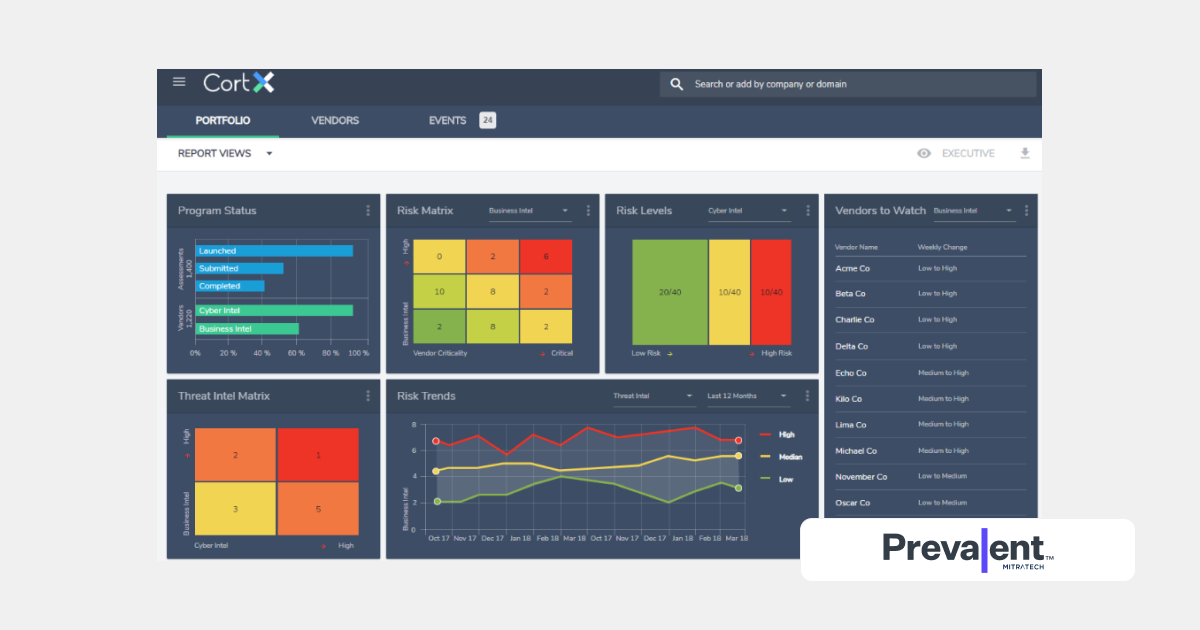
Prevalent, now a Mitratech product, offers a full vendor risk management platform with assessment templates, continuous monitoring, and AI-enhanced analysis.
Best for: Organizations looking to combine vendor questionnaires, external risk data, and built-in remediation tracking.
| Prevalent | |
| Strengths | ✅ Combines third-party risk assessments with continuous monitoring
✅ Includes remediation management, with built-in recommendations to reduce risk |
| Limitations | ⚠️ Primarily focused on third-party risk, not broader IT risk management |
UpGuard vs. ProcessUnity
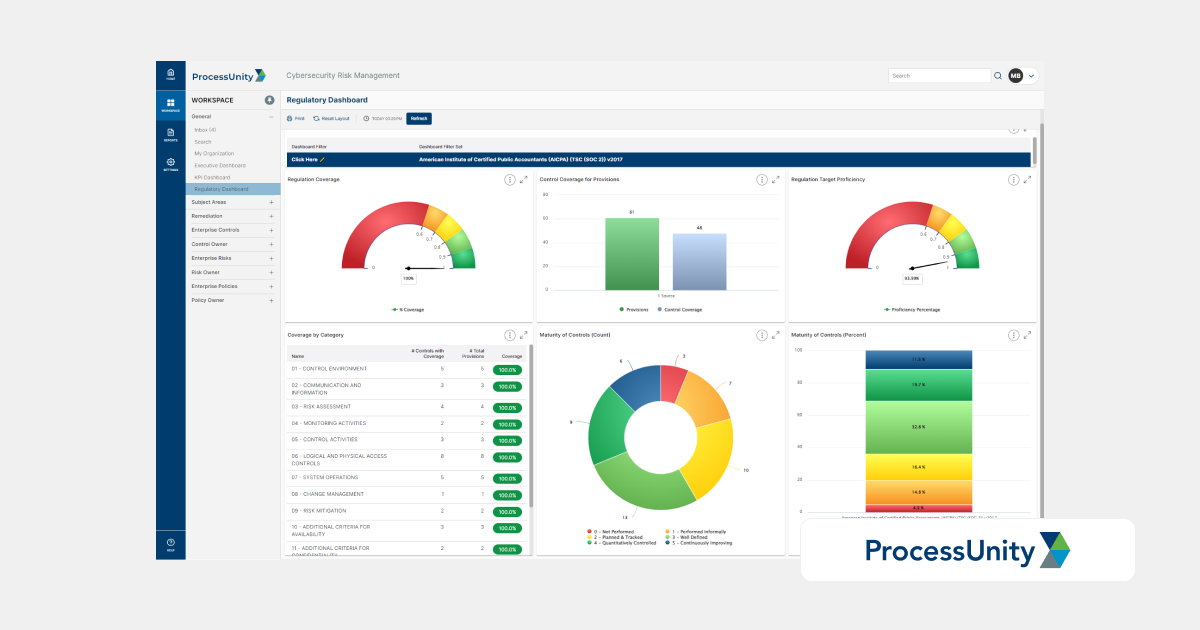
ProcessUnity provides a configurable TPRM platform that automates vendor onboarding, risk assessments, and tracking.
Best for: Teams that want a structured platform to manage the full vendor risk lifecycle, from onboarding to ongoing monitoring.
| ProcessUnity | |
| Strengths | ✅ Automates vendor assessments and lifecycle workflows
✅ Supports centralized tracking with dashboard visibility |
| Limitations | ⚠️ Positioned primarily as a third-party risk platform, and it also lists a Cybersecurity Risk Management solution for internal programs |
| Other Comparisons | ProcessUnity vs Allgress vs Isora GRC |
What Customers Say About Isora GRC
Security teams use Isora GRC to replace manual processes with intuitive workflows and actionable insight.
SaltyCloud makes Isora GRC, one of the products compared here. The assessments are our own, so confirm current features and pricing with each vendor before you decide.
FAQs
What are some alternatives to UpGuard?
UpGuard is a cyber risk posture management platform that combines security ratings and breach risk monitoring with vendor risk assessments. Alternatives like Isora GRC offer structured workflows for managing third-party risk from the inside out—through questionnaires, inventories, exception tracking, and internal follow-up.
Why do teams switch from UpGuard to platforms like Isora GRC?
UpGuard lists vendor assessments, remediation tracking, and exception workflows. Its blog says its scanning supports risk registers of cyber threats. A register for manually logged risks about your own organization is not stated in its help center as of September 2026. Isora GRC manages vendor and IT risk with built-in tools.
Does Isora GRC replace tools like UpGuard or complement them?
Isora GRC fits teams that need to assess internal units and vendors in one place, from sending assessments to logging exceptions and tracking remediation. Where the main problem is vendors rather than internal units, a dedicated vendor risk platform such as UpGuard adds continuous external monitoring. Isora GRC can also take in external ratings through its API and import to enrich a vendor record.
Which platform is better for managing vendor risk assessments?
Both platforms issue vendor questionnaires and track the results. UpGuard’s questionnaire library includes SIG and HECVAT. Isora GRC’s prebuilt questionnaire library includes HECVAT, and the platform maintains inventories and documents risk mitigation efforts over time.
What should I look for in an UpGuard alternative?
Look for a platform that assesses internal units and vendors in one workspace, collects documentation, logs exceptions, and manages your inventory. Isora GRC is built to turn vendor risk insights into real, actionable workflows.
For a framework to evaluate GRC platforms before a demo, download our GRC Buyer’s Guide for Information Security Teams.

This content is for informational purposes only and does not constitute legal or compliance advice. See our full disclaimer.
