

Woot!
We got your request. Hang on tight and we'll get back to you!
 Assessment Management
Run structured security assessments across systems, teams, and vendors—all from one place.
Assessment Management
Run structured security assessments across systems, teams, and vendors—all from one place.
 Questionnaires & Surveys
Launch structured questionnaires and collect evidence from the people closest to each control.
Questionnaires & Surveys
Launch structured questionnaires and collect evidence from the people closest to each control.
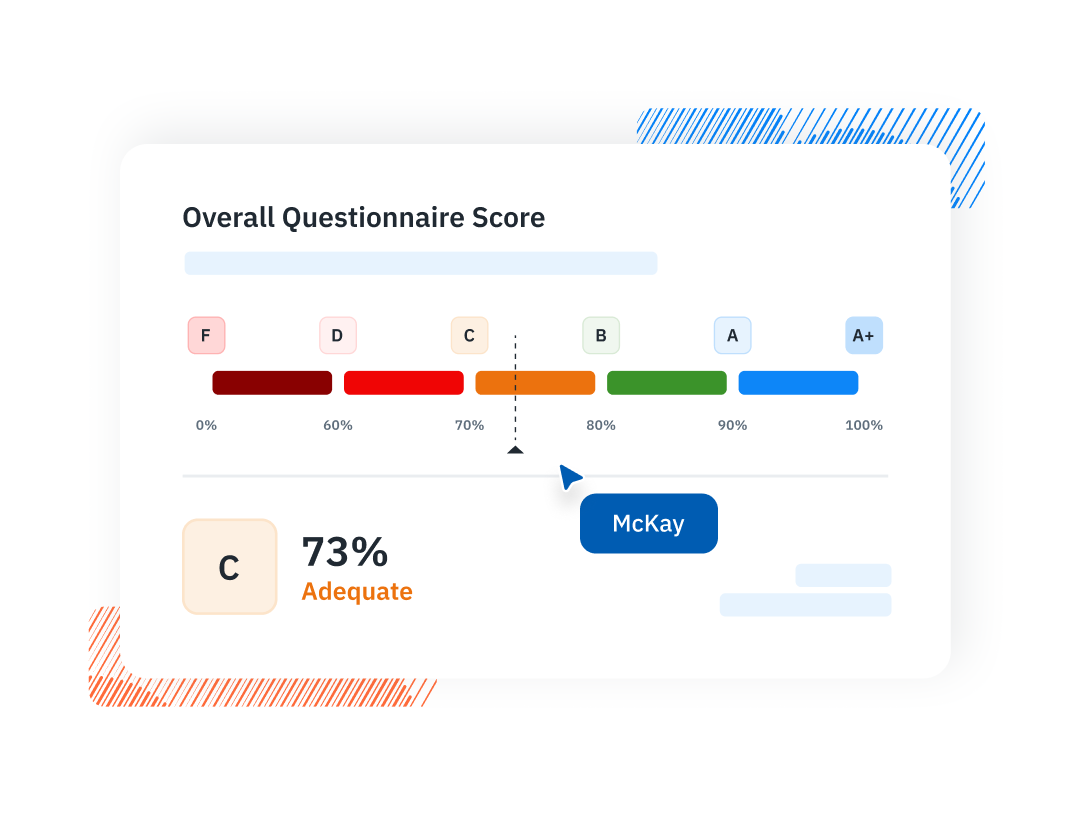
 Reports & Scorecards
Turn assessments into audit-ready reports and actionable insights your team can actually use.
Reports & Scorecards
Turn assessments into audit-ready reports and actionable insights your team can actually use.
 Inventory Management
Maintain a connected inventory of vendors, assets, and systems linked to assessments and risks.
Inventory Management
Maintain a connected inventory of vendors, assets, and systems linked to assessments and risks.
 Exception Management
Log, track, and resolve policy exceptions so nothing falls through the cracks during audits.
Exception Management
Log, track, and resolve policy exceptions so nothing falls through the cracks during audits.
 Risk Management
Turn assessment findings into a living risk register with owners, remediation plans, and full lineage.
Risk Management
Turn assessment findings into a living risk register with owners, remediation plans, and full lineage.
 Information Security Risk Management (ISRM)
Run assessments across units and systems, maintain IT asset inventories, and collaborate on a shared risk register—all in one place.
Information Security Risk Management (ISRM)
Run assessments across units and systems, maintain IT asset inventories, and collaborate on a shared risk register—all in one place.
 Third-Party Security Risk Management (TPSRM)
Track vendors, send security questionnaires, and manage third-party risk with built-in workflows and a centralized inventory.
Third-Party Security Risk Management (TPSRM)
Track vendors, send security questionnaires, and manage third-party risk with built-in workflows and a centralized inventory.






































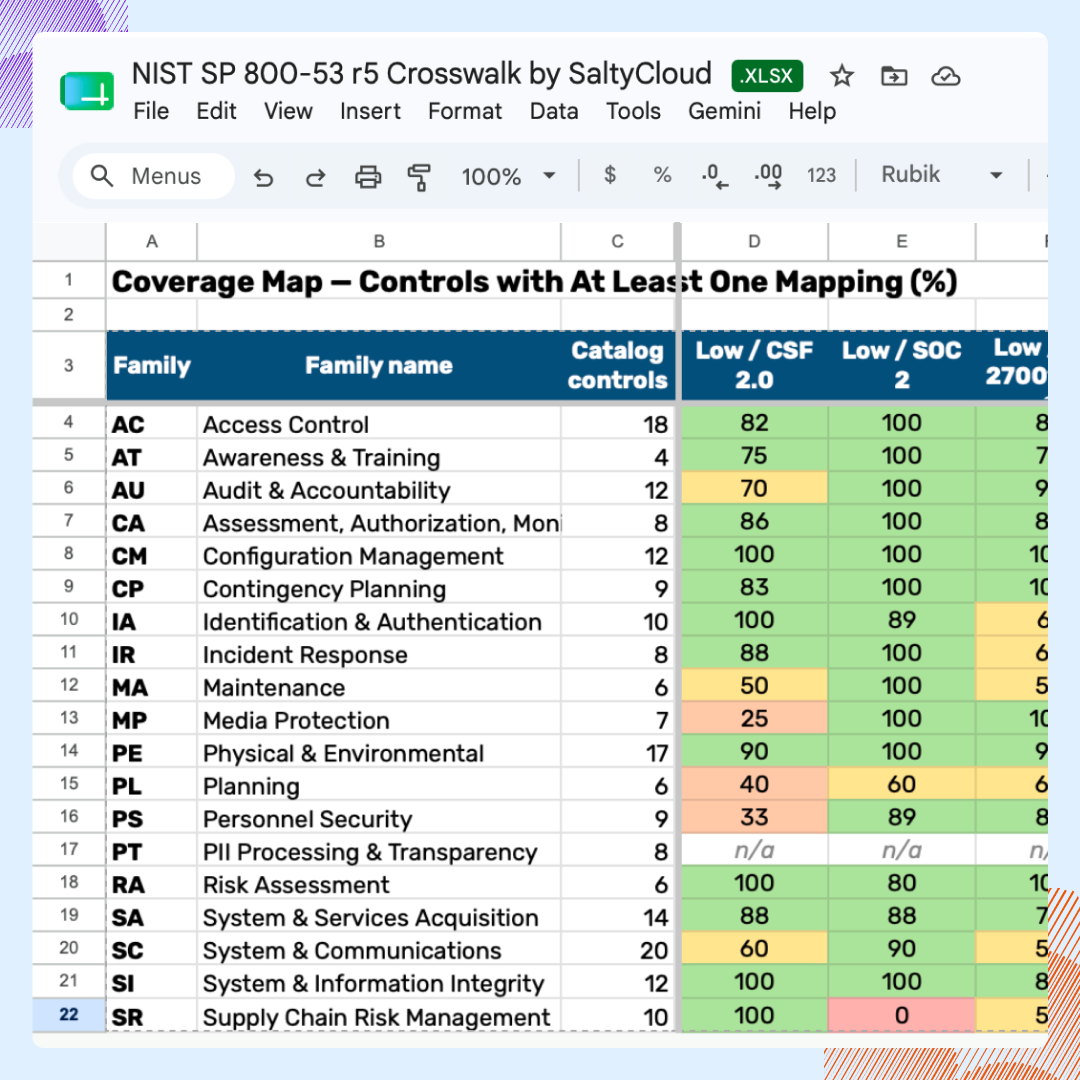
Launch risk assessments using prebuilt questionnaires aligned to the frameworks healthcare organizations manage. Target departments, clinical units, research centers, and IT teams across HIPAA Security Rule safeguards (§164.308, §164.310, §164.312), HITRUST CSF domains, NIST CSF 2.0 functions, and NIST 800-53 control families. In Isora, all frameworks share the same workspace, inventories, and risk register, avoiding duplicate data entries when the same system is in scope for multiple frameworks.
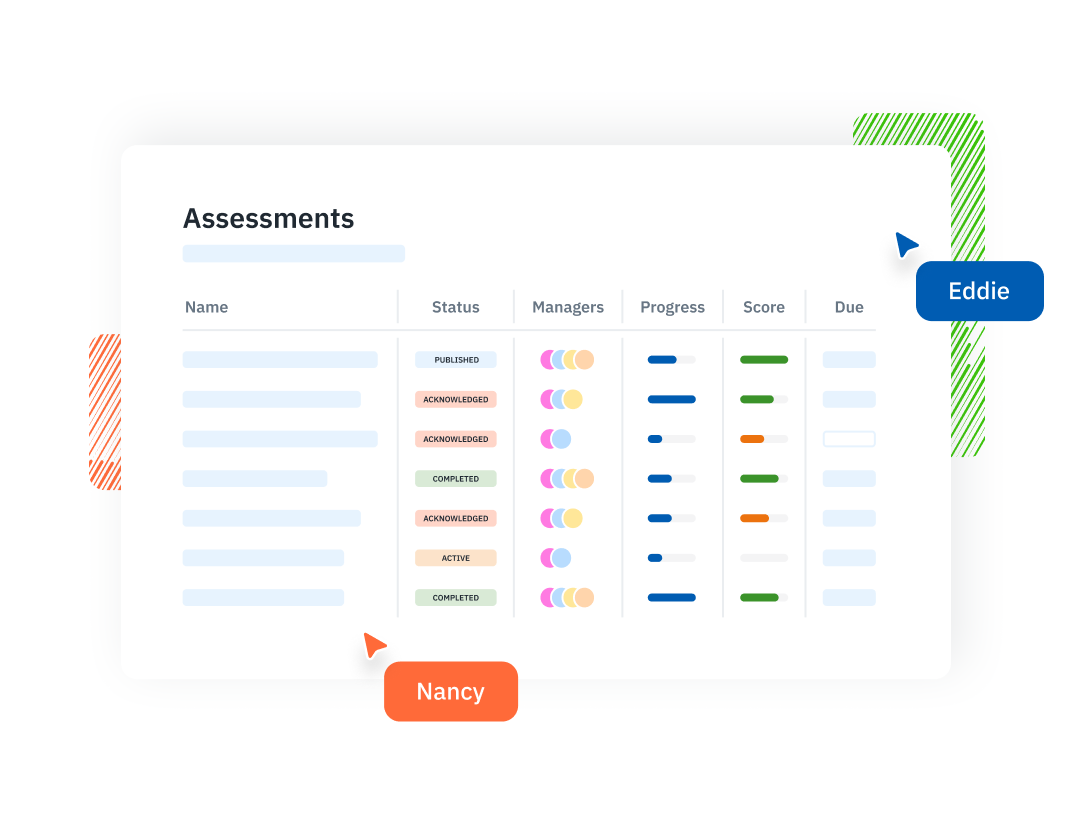
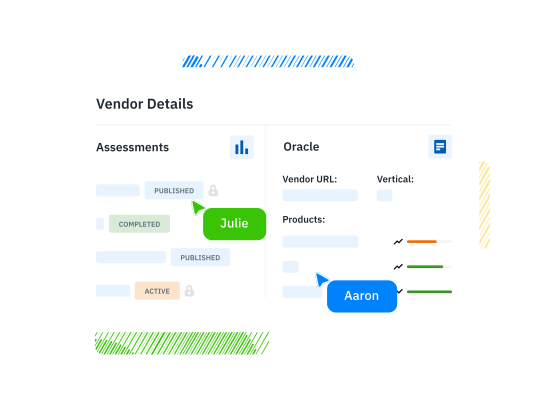
Distribute security questionnaires to business associates and third-party vendors. In Isora, teams can track completion, collect evidence, and link results to the vendor's inventory record — BAA status, data classifications, ePHI access, product deployments, and risk ratings — all in one place. When OCR asks which business associates handle ePHI and when they were last assessed, the answer is as easy as a simple query.
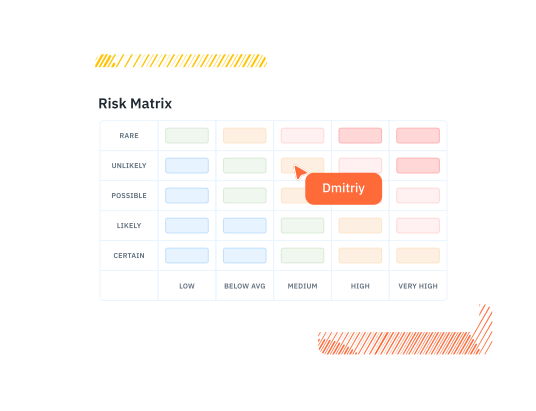
When a HIPAA risk assessment or vendor review uncovers a gap, publish it directly to the risk register. In Isora, every risk carries lineage across the safeguard requirement it maps to, the assessment question that surfaced it, the system or vendor it applies to, and the remediation plan with owner and deadline. Triage findings by escalating, documenting compensating controls, or closing with justification, while the append-only audit log records every decision.
Generate reports showing risk assessment completion, safeguard implementation status, remediation progress, and ePHI inventory coverage, by department, by framework, or institution-wide. In Isora, analytics pull from live assessment data and every metric drills down to the underlying assessment response and evidence. Simply export packages for OCR investigations, HITRUST validated assessments, board presentations, and internal audit.