

Woot!
We got your request. Hang on tight and we'll get back to you!

 Assessment Management
Run structured security assessments across systems, teams, and vendors—all from one place.
Assessment Management
Run structured security assessments across systems, teams, and vendors—all from one place.
 Questionnaires & Surveys
Launch structured questionnaires and collect evidence from the people closest to each control.
Questionnaires & Surveys
Launch structured questionnaires and collect evidence from the people closest to each control.
 Reports & Scorecards
Turn assessments into audit-ready reports and actionable insights your team can actually use.
Reports & Scorecards
Turn assessments into audit-ready reports and actionable insights your team can actually use.
 Inventory Management
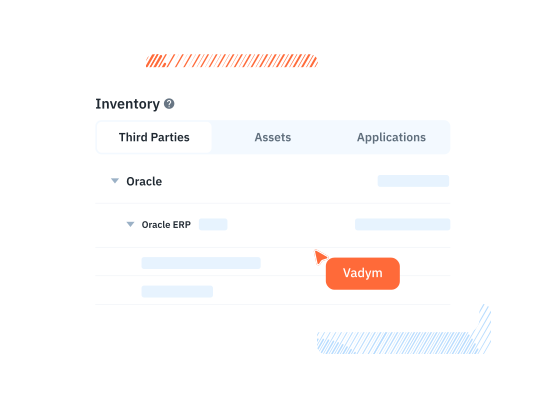
Maintain a connected inventory of vendors, assets, and systems linked to assessments and risks.
Inventory Management
Maintain a connected inventory of vendors, assets, and systems linked to assessments and risks.
 Exception Management
Log, track, and resolve policy exceptions so nothing falls through the cracks during audits.
Exception Management
Log, track, and resolve policy exceptions so nothing falls through the cracks during audits.
 Risk Management
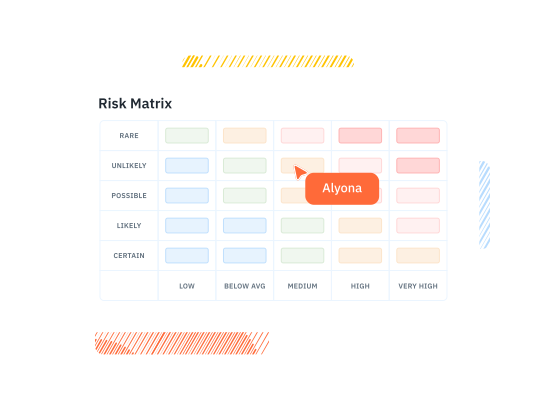
Turn assessment findings into a living risk register with owners, remediation plans, and full lineage.
Risk Management
Turn assessment findings into a living risk register with owners, remediation plans, and full lineage.
 Information Security Risk Management (ISRM)
Run assessments across units and systems, maintain IT asset inventories, and collaborate on a shared risk register—all in one place.
Information Security Risk Management (ISRM)
Run assessments across units and systems, maintain IT asset inventories, and collaborate on a shared risk register—all in one place.
 Third-Party Security Risk Management (TPSRM)
Track vendors, send security questionnaires, and manage third-party risk with built-in workflows and a centralized inventory.
Third-Party Security Risk Management (TPSRM)
Track vendors, send security questionnaires, and manage third-party risk with built-in workflows and a centralized inventory.






































P8120 requires Budget Units to submit a complete system inventory with categorization and ownership details by July 1 annually. Isora maintains a connected inventory where each system links to assessments, risks, data classifications, and responsible units. Metadata captures business impact, control mappings, and P8000 policy requirements, ensuring agencies always work from current, statewide-aligned records that support categorization decisions and continuous monitoring.
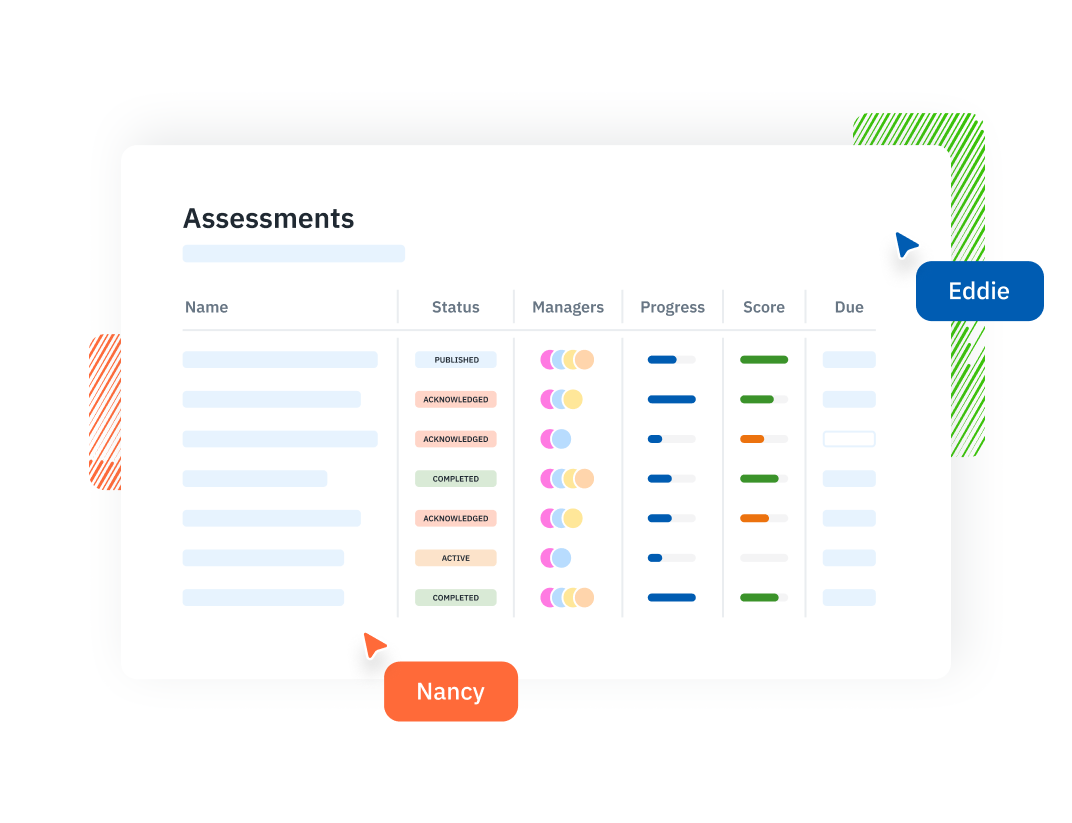
Every Protected system requires a System Security Plan that describes boundaries, data types, categorization rationale, threats, controls, and dependencies. Isora structures SSP documentation by linking system records to assessments, control implementations, and risk items. Agencies can update SSPs as architecture or integrations change, ensuring documentation reflects current security posture and meets BU CIO approval requirements for statewide submission.
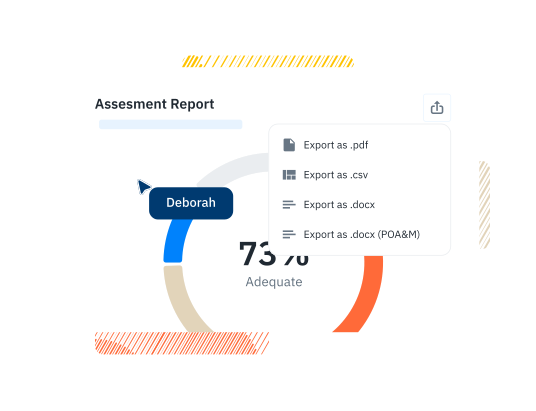
P8120 requires Budget Units to document all remediation actions in Plans of Action and Milestones, review them regularly, and submit them annually for Protected systems. Isora automates POA&M creation from assessment findings, assigns owners, sets completion dates, and monitors progress in real time. Leadership gains transparent visibility into open deficiencies, overdue tasks, and completed mitigations, ensuring agencies stay audit-ready for State CISO reviews.
P8120 requires Budget Units to implement continuous monitoring with defined metrics, ongoing control assessments, and quarterly reporting to the State CISO. Isora automates monitoring workflows by scheduling recurring assessments, tracking control effectiveness over time, and generating compliance dashboards. Agencies can correlate assessment results with vulnerability scans and POA&M remediation, producing clear, exportable reports that demonstrate security posture for AZDOHS oversight.